Categories
Superior Farms sustainability

Lamb Beyond the Celebration: Exploring Its Versatility in the Kitchen

Questions about lamb often begin in the kitchen, but Superior Farms sustainability adds another dimension to the conversation: how can a versatile protein fit into everyday meals as well as special occasions? The answer starts with understanding just how many ways lamb can be prepared. From quick-cooking chops and ground lamb to slow-braised shanks and impressive roasts, different cuts can support very different meals.

For cooks who may associate lamb primarily with holiday dinners or restaurant menus, exploring its range can make it feel much more approachable.

What Makes Lamb So Versatile in the Kitchen?

Lamb works across a surprisingly broad range of cooking styles and cuisines. The American Lamb Board’s cooking resources highlight familiar techniques, including grilling, roasting, and braising, while its recipe collection spans everything from burgers and tacos to salads, pastas, pizzas, soups, and stews.

That variety means lamb does not have to be reserved for one particular type of cuisine or occasion. A cook can work with familiar flavors and techniques while gradually experimenting with something new.

Consider the possibilities:

  • Grilling: Chops, burgers, kabobs, and other relatively quick-cooking cuts can work well for outdoor meals or easy dinners.
  • Roasting: Leg and rack of lamb can become centerpieces for family gatherings or celebrations.
  • Braising: Shoulder and shanks benefit from slower cooking that helps develop tenderness and rich flavor.
  • Skillet cooking: Ground lamb can be incorporated into burgers, meatballs, pasta dishes, tacos, and other weeknight meals.
  • Slow cooking: Less-tender cuts can become deeply flavorful when given enough time and moisture.

The key is not simply knowing how to cook lamb. It is knowing which method makes sense for the particular cut.

Which Lamb Cuts Are Best for Quick Meals?

Some lamb cuts are particularly well suited to cooks who want dinner on the table without spending hours in the kitchen.

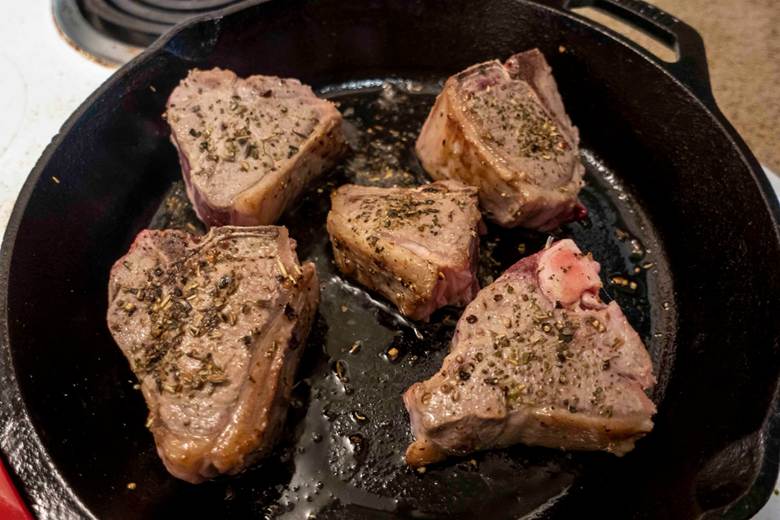
Loin chops, for example, are relatively small and tender and can be grilled, broiled or pan-fried. Ground lamb offers even more flexibility because it can replace ground beef in many familiar recipes. The American Lamb Board notes that ground lamb can be used for dishes such as meatballs, burgers, sliders, shepherd’s pie, and kabobs.

That makes ground lamb an especially useful starting point for someone who is curious about lamb but does not want to build an elaborate meal around it.

When Should You Choose a Longer Cooking Method?

Longer cooking does not necessarily mean more complicated cooking. In many cases, it simply means allowing the cut and cooking method to do more of the work.

Shoulder and shank are good examples. These cuts contain more connective tissue and are well suited to moist cooking methods such as braising or stewing. With enough time, the texture can become remarkably tender.

A slow-cooked lamb meal can also be convenient for entertaining because much of the preparation happens before guests sit down. Instead of rushing through the final stages of cooking, the meal can be built around a dish that develops flavor gradually.

How Can Lamb Take on Different Flavors?

One of lamb’s most appealing qualities is its ability to work with both familiar and globally inspired seasonings.

Classic combinations such as garlic, rosemary, and mint can emphasize lamb’s savory character. Citrus, oregano, and olive oil can take a dish in a Mediterranean direction, while cumin, coriander, paprika, or other spices can create a warmer, more intensely seasoned profile.

This flexibility also makes lamb useful for cooks who enjoy adapting recipes rather than following the same meal repeatedly.

What Recipes Can Help You Start Exploring?

The American Lamb Board’s recipe library offers hundreds of options organized by cut, cooking method and dish type. That makes it possible to choose a recipe based on what is already in the refrigerator rather than starting with a complicated shopping list.

For example:

  • Grilled American Lamb Chops: a straightforward option for anyone interested in a high-heat preparation. (Recipe from AmericanLamb.com, courtesy of American Lamb Board.)
  • American Lamb Smash Tacos: a more casual approach that shows how ground lamb can move beyond traditional preparations. (Recipe from AmericanLamb.com, courtesy of American Lamb Board.)
  • American Lamb Steak Salad with Zucchini and Figs: an example of how lamb can become part of a lighter, produce-forward meal. (Recipe from AmericanLamb.com, courtesy of American Lamb Board.)
  • Slow-Cooked American Lamb Stew with Fennel and Olives: a useful example of how a slower technique can transform a different cut into a substantial meal. (Recipe from AmericanLamb.com, courtesy of American Lamb Board.)

These recipes also demonstrate an important point: there is no single “lamb meal.” The same protein can anchor a quick lunch, family dinner, outdoor gathering or formal celebration.

How Can Cooks Get Better Results With Lamb?

Good results often come down to a few practical habits rather than complicated culinary techniques.

The American Lamb Board recommends using a meat thermometer rather than relying solely on appearance when determining doneness. Its cooking guidance also emphasizes allowing meat to rest after cooking and cutting against the grain when appropriate.

Matching the cut to the cooking method is equally important. Tender cuts generally lend themselves to faster methods such as grilling or roasting, while cuts with more connective tissue can benefit from slower cooking.

That simple distinction can make experimenting with lamb considerably less intimidating.

Moving Lamb Beyond the Special-Occasion Table

Lamb can certainly be an impressive centerpiece, but its versatility makes it equally relevant to everyday cooking. Ground lamb can bring a familiar weeknight recipe in a new direction. Chops can turn a simple grill session into something different. A shoulder or shank can provide the foundation for a slow Sunday meal.

The best way to discover that range may simply be to choose one unfamiliar cut or recipe and try it.

With different cuts, techniques and flavor profiles to explore, lamb offers considerably more possibilities than many home cooks initially realize.
Categories
lamb from Superior Farms

The Art of Cooking Lamb: Understanding the Cut, Technique, and Flavor

Cooking lamb becomes much easier when the cut and cooking method work together. For anyone exploring lamb from Superior Farms, understanding that relationship opens up a much broader range of possibilities in the kitchen. A tender loin chop calls for a different approach than a lamb shank, just as a quick weeknight meal has different needs from a centerpiece designed for a gathering.

Rather than treating lamb as one type of dish, it can be helpful to think of each cut as an opportunity to use a different technique.

Why Does the Lamb Cut Matter?

Different cuts come from different areas of the animal, which affects tenderness, texture, fat content, and the cooking method that brings out their best qualities.

Some cuts are naturally tender and can be cooked relatively quickly. Others contain more connective tissue and benefit from longer cooking, allowing time for those tissues to soften.

The American Lamb Board recommends matching cuts to techniques such as grilling, roasting, braising, pan-searing, and grinding. That simple framework can make choosing a recipe considerably easier.

For example:

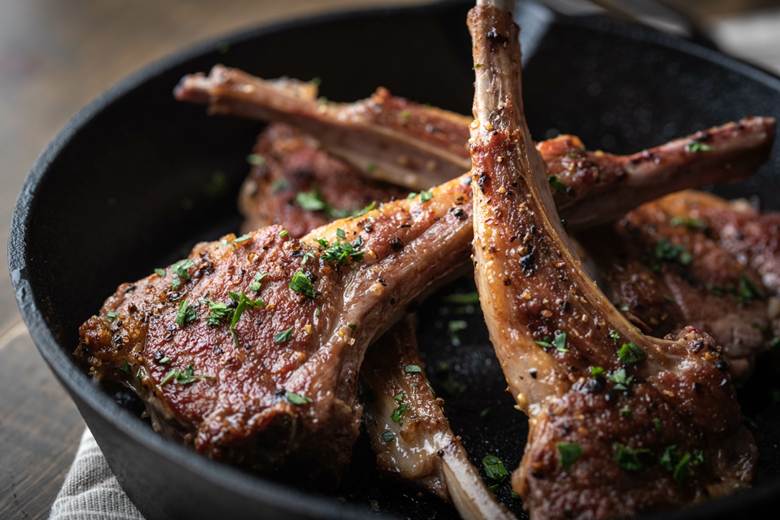
  • Loin and rib chops: Well suited to grilling, broiling or pan-searing.
  • Rack of lamb: Works particularly well for roasting or grilling and can make an elegant centerpiece.
  • Leg of lamb: A versatile larger cut that can be roasted or grilled, depending on the preparation.
  • Shoulder: Benefits from slower cooking methods that allow connective tissue to break down.
  • Shanks: Particularly well suited to braising.
  • Ground lamb: Can be grilled, sautéed or incorporated into burgers, meatballs, tacos and other dishes.

Knowing the characteristics of the cut takes some of the guesswork out of the kitchen.

Which Lamb Cuts Work Best for Quick Dinners?

When time is limited, naturally tender cuts can make lamb surprisingly practical.

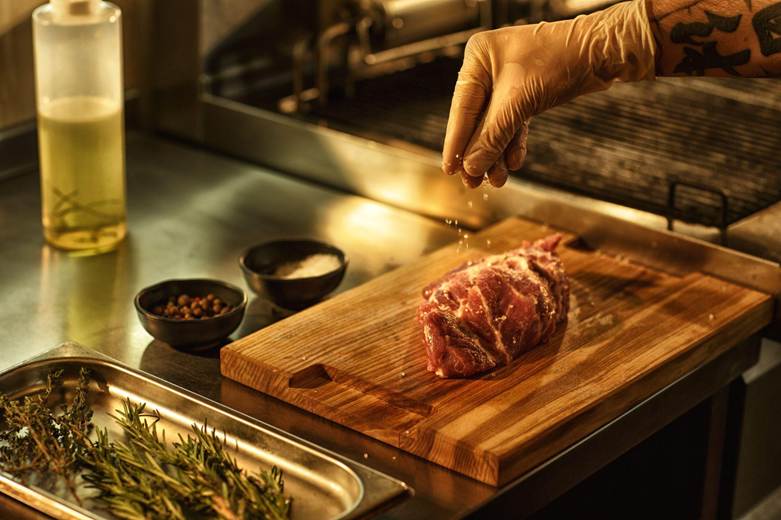
Lamb loin chops, for instance, can be prepared with relatively little advance work. A simple combination of herbs, garlic, lemon or spices can provide plenty of flavor without requiring an elaborate sauce.

Ground lamb offers another easy entry point. It can take the place of other ground meats in familiar dishes while allowing cooks to experiment with different seasonings and cuisines.

A recipe such as American Lamb Smash Tacos offers a casual example of this versatility. (Recipe from AmericanLamb.com, courtesy of American Lamb Board.)

The appeal of a dish like this is not only its flavor. It demonstrates how lamb can fit into formats that already feel familiar rather than requiring an entirely new approach to cooking.

When Is Slow Cooking the Better Choice?

Some of the most satisfying lamb dishes are built around patience.

Shoulder and shank contain connective tissue that responds well to slower, moist cooking. Braising allows the meat to cook gently in liquid over an extended period, producing a tender result with concentrated flavor.

This approach is especially useful for weekend meals, when a cook has more time to let the dish develop.

Red Wine Braised American Lamb Shanks is one example from the American Lamb Board’s recipe collection. (Recipe from AmericanLamb.com, courtesy of American Lamb Board.)

The broader lesson is useful beyond any single recipe: a cut that may not be ideal for quick cooking can become exceptionally rewarding when given the right amount of time.

How Can Lamb Be Prepared for a Special Meal?

For a more formal dinner, larger cuts can provide both visual appeal and versatility at the table.

A rack of lamb can be roasted and presented whole before being divided into individual portions. A leg of lamb can serve as the centerpiece for a larger gathering and can be paired with vegetables, grains, potatoes or salads.

The American Lamb Board’s recipe collection includes preparations such as Honey Hazelnut Rack of Lamb with Dijon Greens and Slow Roasted Brown Butter & Mustard Leg of Lamb, demonstrating how the same protein can support very different flavor profiles. (Recipes from AmericanLamb.com, courtesy of American Lamb Board.)

The choice does not have to be elaborate. A well-seasoned roast accompanied by fresh vegetables and a bright sauce can be just as compelling as a more complex preparation.

What Flavors Pair Well With Lamb?

Lamb’s versatility extends beyond cooking technique. Its savory character works with a wide range of herbs, spices, sauces and fresh ingredients.

Traditional combinations such as rosemary, garlic and mint remain popular, while ingredients such as lemon, tahini, pomegranate, cumin, coriander, yogurt and fresh herbs can take lamb in different culinary directions.

That flexibility makes lamb especially interesting for cooks who enjoy adapting recipes.

A Mediterranean-inspired meal might pair grilled lamb with lemon, oregano, cucumber and feta. A more heavily spiced preparation could incorporate cumin, coriander, or harissa. A slow-cooked dish might lean toward rich herbs, wine or warming spices.

There is no single flavor profile that defines how lamb must be prepared.

What Helps Lamb Turn Out Well?

A few basic cooking habits can make a meaningful difference.

  • Use a meat thermometer: Internal temperature is more reliable than appearance alone when determining doneness.
  • Match the technique to the cut: Tender cuts generally work well with higher-heat, shorter cooking methods, while tougher cuts benefit from more time.
  • Allow the meat to rest: Resting after cooking helps preserve moisture.
  • Cut against the grain where appropriate: This can produce a more pleasant texture when serving sliced cuts.
  • Pay attention to thickness: Cooking time depends not only on the type of cut but also on its size and thickness.

The American Lamb Board provides detailed cooking-time and temperature guidance by cut, making it a useful reference when trying a new preparation.

Making Every Cut Count

Cooking lamb well is less about mastering one signature recipe and more about understanding what each cut can offer.

A quick-cooking chop can become an uncomplicated weeknight dinner. Ground lamb can transform familiar meals. A shoulder can become the foundation of a slow weekend feast, while a rack or leg can take center stage when there is something worth celebrating.

Once cooks understand the relationship between cut, technique and flavor, lamb becomes less intimidating and considerably more versatile.

Categories
lamb from Superior Farms

Beyond the Centerpiece: Exploring the Culinary Versatility of Lamb

Lamb can be the centerpiece of a meal, but its culinary range extends well beyond the traditional roast. Exploring lamb from Superior Farms can also mean discovering how easily lamb works in tacos, salads, flatbreads, soups, skewers, and other dishes that bring different textures and flavors to the table.

That versatility is part of what makes lamb interesting for home cooks. Instead of building every meal around the same preparation, cooks can change the format, seasonings, and accompaniments to create an entirely different experience.

Can Lamb Be Part of a Casual Meal?

Absolutely. Lamb does not have to be reserved for a formal dinner.

Ground lamb is particularly adaptable because it can be shaped, seasoned and cooked in ways that suit casual meals. It can become a burger, taco filling, meatball or topping for a flatbread.

American Lamb Smash Tacos from the American Lamb Board offer one example of taking lamb into an informal, familiar format. (Recipe from AmericanLamb.com, courtesy of American Lamb Board.)

This type of preparation can be useful for cooks who are interested in lamb but are not ready to commit to a large roast or lengthy cooking process.

How Can Lamb Work in a Fresh Salad?

Lamb can also provide a savory, substantial element in a meal built around fresh produce.

Grilled or pan-seared lamb can be sliced and served alongside greens, vegetables, grains, fruit or legumes. Bright dressings and acidic ingredients such as lemon or vinegar can provide contrast to the richness of the meat.

The American Lamb Board’s American Lamb Steak Salad with Zucchini and Figs demonstrates this approach by combining lamb with produce and other complementary ingredients. (Recipe from AmericanLamb.com, courtesy of American Lamb Board.)

The idea can be adapted seasonally. Summer vegetables, roasted autumn produce or crisp winter greens can all provide different foundations for a lamb-centered salad.

What Makes Lamb Skewers So Appealing?

Skewers bring together several things that make a meal enjoyable: bite-sized pieces, high-heat cooking, and plenty of room for customization.

Lamb cubes can be seasoned with herbs and spices before being grilled or broiled. They can then be served with vegetables, grains, flatbreads, salads or sauces.

The American Lamb Board includes recipes such as American Lamb Skewers with Farmer’s Market Salad, illustrating how grilled lamb can become part of a meal that emphasizes seasonal vegetables alongside the meat. (Recipe from AmericanLamb.com, courtesy of American Lamb Board.)

Skewers can also work well when entertaining because individual portions make the meal easy to serve and share.

Can Lamb Work With Global Flavors?

One of lamb’s most appealing culinary qualities is how naturally it adapts to different flavor traditions.

Garlic, lemon, and herbs can create a Mediterranean direction. Cumin, coriander, and chili can bring warmth and spice. Yogurt-based sauces can add coolness and acidity, while fruit-based ingredients can introduce sweetness and contrast.

This flexibility means cooks do not need to follow one fixed definition of what a lamb dish should taste like.

A familiar cut can become something completely different simply by changing the seasoning, sauce, and accompaniments.

What About Lamb for a Crowd?

When feeding several people, larger cuts can make preparation more efficient.

A leg of lamb can serve as the foundation for a substantial dinner, while a shoulder can be slow-cooked and served in a variety of ways. Rack of lamb offers a more formal presentation for occasions when the meal calls for something distinctive.

The American Lamb Board’s recipe resources include preparations ranging from roasted legs to herb-forward racks and slow-cooked shoulders, offering options for different cooking schedules and occasions.

For a holiday or dinner party, the whole roasted American Lamb Leg with Potatoes is one example of a centerpiece-style preparation. (Recipe from AmericanLamb.com, courtesy of American Lamb Board.)

For cooks who prefer a more relaxed gathering, shredded or slow-cooked lamb can be served with multiple accompaniments, allowing guests to assemble their own plates.

How Can Side Dishes Change a Lamb Meal?

The same lamb preparation can feel completely different depending on what accompanies it.

Fresh salads and citrus-based sauces can create a lighter presentation. Roasted vegetables and potatoes can make a meal feel more traditional and substantial. Grains, flatbreads and yogurt-based sauces can take the meal in another direction.

This is one reason lamb works well for cooks who enjoy variety. Rather than changing the main protein every time, the overall character of the meal can change through the supporting ingredients.

What Should You Keep in Mind When Trying a New Lamb Recipe?

When experimenting, a few practical considerations are worth keeping in mind:

  • Start with the cut: Check whether the recipe calls for a tender or slow-cooking cut.
  • Follow temperature guidance: Use a reliable meat thermometer to check internal temperature.
  • Give the meat time to rest: This is especially important for larger cuts.
  • Think about contrast: Fresh herbs, citrus, vegetables or acidic sauces can complement richer lamb preparations.
  • Don’t be afraid to adapt: Once the basic cooking technique is understood, seasonings and accompaniments can be changed to suit the meal.

The American Lamb Board’s cooking-time and temperature resources can serve as a useful reference when adapting recipes or trying a cut for the first time.

Finding More Ways to Enjoy Lamb

The appeal of lamb is not limited to a particular occasion, cuisine or cooking technique. It can be grilled for a casual dinner, tucked into tacos, paired with a fresh salad, threaded onto skewers or slowly cooked for a meal shared around the table.

Exploring recipes from the American Lamb Board alongside other trusted cooking resources can help home cooks discover that range while learning how different cuts respond to different techniques.

Sometimes the easiest way to become more comfortable with lamb is simply to change the format. Take a familiar meal, introduce lamb, and see where the ingredients lead.