Categories
Superior Farms

From Savory to Sweet: Surprising Flavor Pairings with Lamb

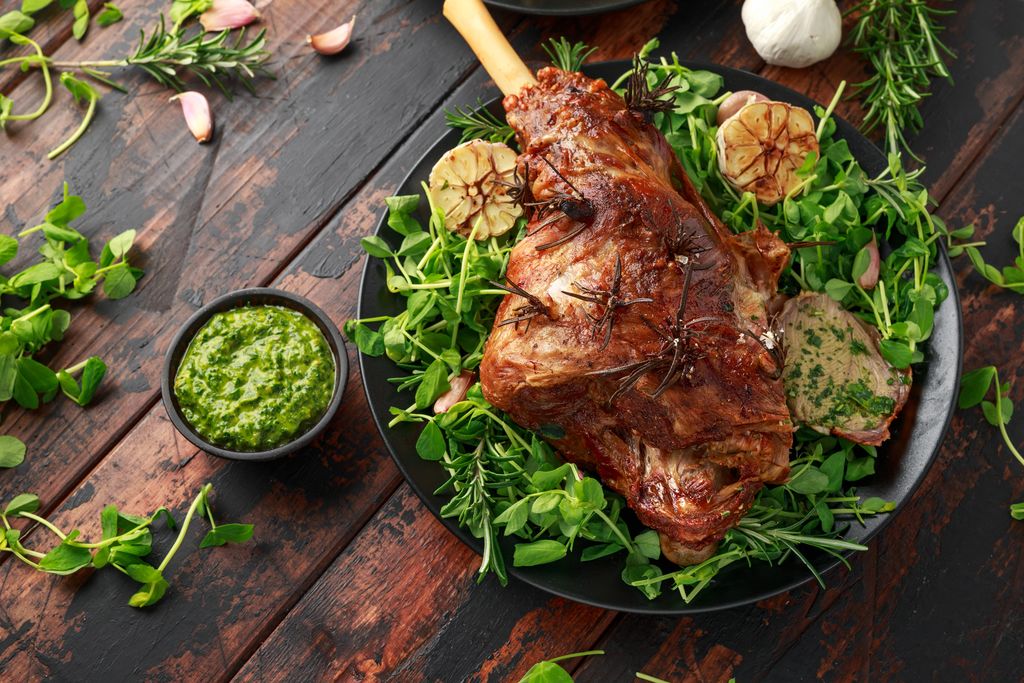
Lamb has long held a distinguished place in global cuisines, celebrated for its rich, slightly gamey flavor that lends itself beautifully to classic preparations. Traditionally, cooks lean on robust herbs like rosemary, mint, or thyme, and serve it alongside red wines to complement its depth. Yet lamb has another side, one that shines when paired with sweetness. Beyond the expected savory companions, lamb reveals remarkable versatility when matched with fruits, honey, or even chocolate. These surprising contrasts not only highlight lamb’s complexity but also unlock new culinary dimensions.

Superior Farms will look at how sweet and savory combinations elevate lamb, drawing inspiration from both traditional pairings found across cultures and more daring, modern interpretations.

Why Sweetness Works with Lamb

Lamb’s bold, earthy character makes it a perfect canvas for balancing flavors. Unlike milder meats such as chicken or pork, lamb can stand up to rich ingredients without being overwhelmed. Sweetness, when introduced thoughtfully, tempers the natural gaminess while enhancing lamb’s succulence.

This interplay mirrors a universal culinary principle: opposites attract. Just as salty and sweet combinations delight the palate, the contrast of savory lamb with sugars from fruit, honey, or chocolate creates complexity that lingers with each bite.

Lamb with Figs: Ancient Luxury

The pairing of lamb and figs dates back centuries. In Mediterranean cuisines, figs were prized for their natural sweetness and velvety texture, while lamb was a celebratory dish. Together, they created meals that were both hearty and indulgent.

Fresh figs, when roasted alongside lamb, caramelize into syrupy bursts of flavor. Dried figs, often simmered in wine or stock, become rich and jammy, infusing the meat with sweetness that doesn’t overpower. Imagine a lamb tagine where tender chunks of meat mingle with figs, almonds, and warm spices, a dish that feels at once comforting and exotic.

Pomegranate: Brightness Meets Depth

Few ingredients capture the drama of flavor like pomegranate. Its ruby-red seeds deliver a sharp, juicy sweetness that cuts through lamb’s richness. Middle Eastern cooking has long celebrated this harmony, particularly through pomegranate molasses.

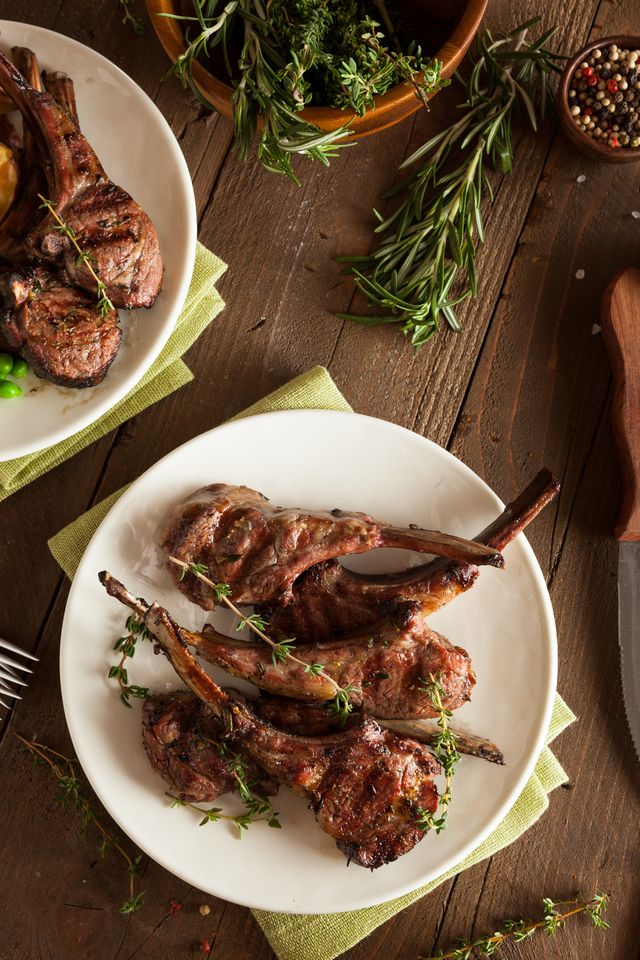
Brushing racks of lamb with a glaze of pomegranate molasses before roasting creates a glossy, tangy crust. The sweetness balances the fat, while the acidity lifts the entire dish. Paired with fresh herbs or pistachios, this combination is both elegant and refreshing. Even a simple garnish of scattered pomegranate seeds over grilled lamb transforms the plate into a vibrant showpiece.

Honey: Nature’s Golden Contrast

Honey and lamb share a natural affinity. The floral, syrupy qualities of honey accentuate lamb’s savory notes while adding a silky glaze. This pairing thrives in both rustic and refined settings.

A honey-mustard glaze on slow-roasted lamb shanks, for instance, creates a dish that is simultaneously robust and delicate. Honey also shines in marinades, mixed with garlic, lemon, and chili, it adds layers of sweetness, tang, and heat. Across the Mediterranean and North Africa, honey is often paired with lamb in stews, sometimes alongside dried apricots or raisins, creating dishes that blur the line between sweet and savory in the most delightful way.

Chocolate: An Unexpected Companion

At first glance, chocolate might seem an unlikely partner for lamb. Yet, when used in moderation and in savory applications, chocolate lends a subtle depth rather than sweetness. Think of how cocoa is used in Mexican mole sauces, it adds richness, complexity, and a slight bitterness that grounds strong flavors.

Similarly, adding dark chocolate or unsweetened cocoa powder to a lamb braise can create a sauce that is velvety and layered, without tasting like dessert. The earthy tones of cocoa echo lamb’s richness, creating a balance that feels both surprising and harmonious. Served with roasted root vegetables or a bold red wine, lamb with chocolate-infused sauce becomes an adventurous yet refined dish.

Beyond the Plate: Cultural Inspiration

What’s fascinating is that many of these sweet pairings aren’t modern inventions but draw from centuries-old culinary traditions. In Moroccan tagines, lamb is stewed with apricots, prunes, and honey. In Persian cuisine, lamb often appears with pomegranate and nuts. Even in medieval European kitchens, lamb and fruit sauces were commonplace.

Revisiting these traditions through a contemporary lens allows today’s cooks to rediscover lamb’s versatility while pushing culinary boundaries. Whether it’s through a fine dining dish that juxtaposes lamb chops with a fig compote or a home-cooked stew with raisins and honey, the possibilities are endless.

Tips for Experimenting at Home

  1. Balance is key – Too much sweetness can overwhelm lamb. Start small, adding fruit or honey gradually.
  2. Pair with acidity – Lemon, vinegar, or yogurt can offset sweetness and keep flavors bright.
  3. Consider texture – Crunchy pomegranate seeds or sticky figs add contrast beyond flavor alone.
  4. Use spices as bridges – Cinnamon, cumin, coriander, or chili help knit sweet and savory together seamlessly.

The Takeaway

Lamb is a meat of remarkable character, and its story is not limited to herbs, garlic, and wine. By venturing into sweet pairings—whether figs, pomegranate, honey, or chocolate—we unlock its ability to surprise and delight. These combinations show that lamb is not only a symbol of tradition but also of innovation, capable of embracing bold flavors that cross borders and eras.

Next time you prepare lamb, consider stepping away from the expected. Let figs caramelize in the pan, drizzle honey over a roast, or stir a bit of chocolate into your sauce. You may just discover a pairing that transforms how you think of this timeless protein.
Categories
Superior Farms

Lamb as the Centerpiece: The Psychology of Show-Stopping Meals

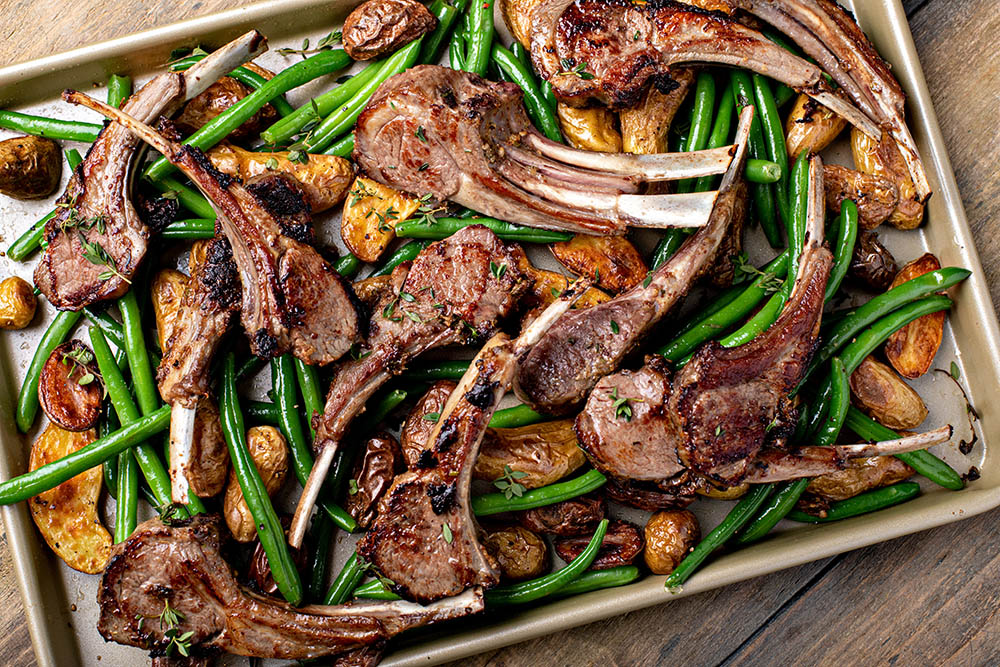
When it comes to crafting a memorable meal, few dishes command attention quite like lamb. Whether it’s a golden-brown roast leg, a perfectly frenched rack crowned with sprigs of rosemary, or slow-braised shanks nestled in rich sauce, lamb has long been associated with celebration, indulgence, and culinary drama. Superior Farms explains that it is not simply about taste, it’s about the visual and emotional impact that this meat creates when it arrives at the table. A lamb dish has the power to transform a gathering into a moment of anticipation and wonder, tapping into deep psychological cues of abundance, festivity, and luxury.

The Drama of Presentation

Lamb naturally lends itself to spectacle. Unlike smaller cuts of meat, a roast lamb leg or rack arrives in large, impressive form, drawing the eye before a single bite is taken. This sense of scale creates drama, guests instinctively recognize that what has been prepared is not everyday fare but something worthy of attention.

Psychologists point out that human appetite is heavily influenced by visual cues. The sight of a golden crust, caramelized edges, or glistening jus stimulates the brain’s reward centers, often before the aromas even reach us. When a lamb roast is carried into a dining room, it creates a multisensory effect: the sizzling sound, the aromatic herbs, the visual heft. This stimulates not only hunger but also curiosity and excitement. The “show-stopping” aspect of lamb lies in its ability to set the stage for a shared experience before anyone has even lifted a fork.

Anticipation as a Flavor Enhancer

The psychology of anticipation plays a powerful role in how we perceive food. Lamb, with its association with holidays, weddings, and feasts, taps into a sense of occasion. Guests expect something indulgent, and that expectation alone can heighten the actual flavor perception once they begin eating.

Studies in sensory psychology suggest that when we anticipate a luxurious or special meal, our brains release dopamine, a chemical associated with pleasure and reward, even before the first bite. This means that the sight of a rack of lamb, beautifully presented, actually primes our taste buds to register the experience as more delicious and satisfying. The long cooking times and aromas wafting from the oven also build suspense, turning the meal into an event rather than just sustenance.

A Symbol of Indulgence and Luxury

Historically, lamb has carried symbolic weight. Across cultures, it has been reserved for religious ceremonies, festive occasions, and family gatherings. From Easter tables in Europe to Middle Eastern feasts, lamb signals abundance and generosity. It is less common in everyday meals compared to chicken or beef, making its presence feel special.

This rarity fuels its aura of luxury. When lamb is chosen as the centerpiece, it signals to guests that the host has invested time, resources, and thought into creating a memorable occasion. The act of carving lamb at the table, often performed by the host themselves, further reinforces this sense of tradition and indulgence. It becomes not just a dish but a ritual.

The Emotional Appetite Appeal

Food is deeply tied to memory and emotion, and lamb often conjures nostalgic connections. A roast lamb might remind one person of family Easter dinners, another of a wedding banquet, and another of a cultural festival. This layering of memory with taste magnifies the experience, making the meal emotionally nourishing as well as physically satisfying.

Psychologists describe this as “affective priming,” where emotional associations influence sensory perception. In simpler terms, when lamb is presented as a celebratory centerpiece, guests are predisposed to feel joy, comfort, and connection—emotions that amplify the actual enjoyment of the meal. The dish becomes a catalyst for conversation, storytelling, and togetherness.

The Role of Ritual and Sharing

Unlike individual plates of food, a lamb roast or rack is designed for sharing. Its size necessitates carving and distribution, an act that creates a communal ritual. Sharing food in this way fosters bonding, as humans are evolutionarily wired to associate communal meals with safety and belonging.

The ritual of passing plates, ladling sauce, and savoring together transforms lamb from mere sustenance into a performance of hospitality. In this sense, lamb dishes don’t just nourish the body, they nourish relationships, reinforcing the bonds between host and guest, family and friend.

Why Lamb Stands Out from Other Centerpieces

Other meats can certainly impress, but lamb has a unique combination of qualities that make it a showstopper:

  • Distinct Flavor Profile: Its rich, slightly gamey taste stands apart from more common proteins.
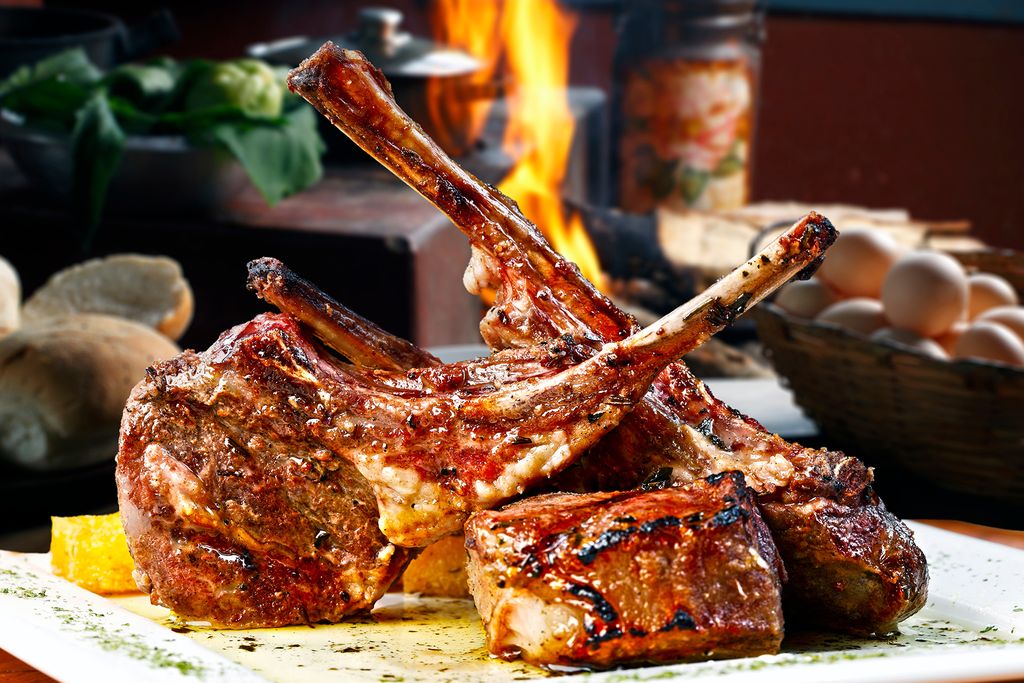
  • Visual Grandeur: A rack of lamb with bones arranged in a crown, or a leg presented whole, creates a visual unlike anything else.
  • Cultural Associations: Lamb is intertwined with global traditions of feasting, giving it symbolic weight.
  • Versatility in Presentation: It can be rustic and hearty in a braised shank, or refined and elegant in a French-style rack.

These elements make lamb not just a meal but a statement. It is chosen not only for taste but for the emotions and memories it brings to the table.

The Lasting Impression of Lamb

At its heart, the psychology of show-stopping meals is about more than food, it is about experience. Lamb, with its visual impact, emotional resonance, and cultural symbolism, embodies this better than almost any other dish. It creates anticipation as it cooks, indulgence as it is served, and connection as it is shared.

In a world where so many meals are quick, routine, and solitary, a lamb centerpiece represents the opposite: slowness, abundance, and togetherness. It is a reminder that dining can be as much about spectacle and emotion as it is about flavor. And when the lamb finally reaches the table, it does more than feed the body, it creates a memory that lingers long after the plates are cleared.

Categories
Superior Farms lamb

The Juiciness Factor: Why Lamb Delivers Unmatched Tenderness

When it comes to meats that consistently impress both home cooks and fine-dining chefs, lamb holds a special place. Its tenderness and natural juiciness are not just happy accidents, they are intrinsic qualities of the meat itself. While beef, pork, and chicken each bring their own strengths to the table, lamb possesses a distinct succulence that sets it apart. From casual family dinners to carefully plated gourmet creations, Superior Farms lamb understands that lamb’s texture and juiciness elevate the dining experience in ways that are difficult to match.

The Natural Structure of Lamb Meat

The tenderness of lamb begins at a structural level. Compared to older animals like beef cattle, lambs are slaughtered at a much younger age, typically between six and twelve months old. At this stage of life, muscle fibers are finer and contain less connective tissue, which translates into a softer bite and less chewiness. The relative youth of the animal ensures that the collagen, the protein that can make meat tough if overly present, has not fully developed, allowing lamb to retain a delicate, melt-in-your-mouth quality.

Lamb is also naturally marbled with intramuscular fat. This marbling isn’t as heavy as what you might find in a premium cut of beef, but it has a different effect. Lamb fat is softer and has a lower melting point, meaning it renders more easily during cooking. As it melts, it bastes the meat from within, locking in flavor and moisture. This interplay between muscle and fat creates an unparalleled tenderness that feels both luxurious and approachable.

Juiciness as a Culinary Experience

Juiciness is more than just moisture, it’s the sensation of succulence when you bite into a perfectly cooked piece of meat. Lamb excels in this department because of its fat composition and water-holding capacity. The natural lipids release slowly during cooking, creating a luscious texture that coats the palate. Unlike some lean cuts of chicken or pork that risk drying out quickly, lamb retains its juices, offering a consistently mouthwatering bite.

The juiciness of lamb doesn’t just stay on the plate, it heightens every other element of the dish. When paired with herbs like rosemary, thyme, or mint, lamb’s succulence enhances aromatic oils, carrying their flavors deeper into each bite. Similarly, sauces such as red wine reductions or yogurt-based accompaniments cling better to juicy proteins, amplifying both taste and texture. The result is a dynamic interplay of flavors that feels indulgent yet balanced.

Comparisons With Other Meats

To truly appreciate lamb’s distinct qualities, it helps to compare it with other popular proteins. Beef, especially cuts like ribeye or tenderloin, can certainly be tender and juicy, but it often requires aging or careful marbling selection to achieve that effect. Pork, while versatile, tends to lean on the drier side unless enhanced with brining or sauces. Chicken, despite being the most widely consumed meat globally, struggles to maintain moisture without meticulous cooking methods.

Lamb, by contrast, naturally carries tenderness and juiciness into almost every cut, whether it’s a rack of lamb served medium-rare or slow-braised shanks simmering in aromatic broth. Even leaner cuts like leg of lamb retain a satisfying succulence when prepared properly. This built-in reliability is why chefs often describe lamb as a “forgiving” meat, it delivers a consistently juicy experience without requiring elaborate intervention.

Casual Dining: Comfort and Satisfaction

Lamb’s juiciness plays a starring role in casual, comforting meals. Think of lamb burgers, where the fat content creates patties that remain moist even when grilled at high heat. Or shepherd’s pie, where ground lamb retains enough richness to elevate the creamy mashed potatoes that crown the dish. In these everyday contexts, lamb’s succulence ensures that each bite is satisfying, making even simple recipes feel hearty and memorable.

Family roasts are another example of lamb’s power to deliver tenderness at scale. A roasted leg of lamb, carved at the dinner table, brings not only visual drama but also unmatched juiciness that carries across every slice. Unlike a roast chicken that can vary in moisture between breast and thigh, lamb maintains consistency, ensuring that every guest experiences the same indulgent tenderness.

Fine Dining: Elevating the Culinary Experience

In fine dining, lamb becomes a canvas for culinary artistry. Chefs celebrate lamb’s juicy tenderness by pairing it with bold, creative accompaniments. A rack of lamb crusted with pistachios or herbs, for instance, allows the natural juices to mingle with the crunch of nuts and the brightness of herbs, producing layers of sensory delight.

Braised lamb shanks, cooked until the meat nearly slides off the bone, transform juiciness into a luxurious, almost spoonable texture that contrasts with the richness of sauces and sides. In haute cuisine, lamb often takes center stage because its natural tenderness requires little manipulation, freeing chefs to focus on crafting complex flavor profiles around it.

The Emotional Impact of Juiciness

Food isn’t only about biology or chemistry, it’s also about memory and emotion. Juiciness is one of those qualities that makes meals memorable. A bite of tender, juicy lamb evokes comfort, indulgence, and satisfaction in ways that resonate deeply with diners. This is why lamb is often chosen for celebratory occasions—Easter feasts, weddings, or special holidays. Its tenderness feels festive and indulgent, signaling that the meal is something to savor and remember.

American Lamb’s Unmatched Appeal

The juiciness factor is what makes American lamb such a standout protein. From its natural muscle structure and fat composition to its versatility across cooking styles, lamb consistently delivers tenderness that other meats struggle to match. Whether enjoyed in the comfort of a family meal or as the centerpiece of a fine dining experience, lamb’s succulence transforms the act of eating into something extraordinary.

In a world where food is often rushed or standardized, lamb invites us to slow down and appreciate the richness of flavor, the indulgence of juiciness, and the joy of tenderness that lingers long after the last bite.

Categories
Superior Farms lamb

The Irresistible Aroma of Lamb: Why It Captivates the Senses

Few culinary experiences are as instantly evocative as the aroma of lamb. Long before the first bite reaches the palate, its fragrance creates anticipation, stirring memories and sparking appetite. Unlike the comparatively neutral aroma of chicken or the robust smokiness of beef, lamb carries with it a distinct olfactory signature, a mingling of earthy, grassy, and subtly sweet notes that immediately set it apart. Superior Farms lamb this sensory allure isn’t mere happenstance; it’s the result of fascinating chemistry, deeply ingrained cultural associations, and the way scent shapes our emotions and desires.

The Science Behind the Scent

At the heart of lamb’s irresistible aroma lies a unique blend of volatile compounds. One of the most important contributors is a fatty acid called branched-chain fatty acids (BCFAs), specifically 4-methyloctanoic acid and 4-methylnonanoic acid. These molecules are rare in most other meats, yet they are abundant in lamb, particularly in cuts with a higher fat content. When lamb is cooked, heat transforms these compounds into aromatic molecules that intensify its signature scent.

This chemistry explains why lamb smells different from beef or pork, even if prepared with the same seasonings or cooking techniques. The very structure of these fatty acids produces the slightly gamey, grassy aroma that lamb lovers find so enticing. Interestingly, lamb raised on pasture diets rich in clover, grasses, and herbs tends to develop even more complex aromas, as those plant compounds integrate into the fat and later release during cooking.

The Emotional Power of Smell

While the science explains what makes lamb smell the way it does, the magic lies in how that aroma affects us. Smell is the most primal of our senses, directly tied to the limbic system, the part of the brain responsible for memory and emotion. A whiff of roasting lamb can transport someone back to a family gathering, a holiday feast, or even a cultural celebration where the meat holds symbolic meaning.

This connection between smell and memory is why lamb’s aroma is often described as comforting, nostalgic, or even celebratory. The scent doesn’t just signal that food is near, it triggers an emotional response, stirring feelings of warmth, belonging, and indulgence. For many, it is the smell of hospitality itself, rising from kitchens during Easter, Passover, Eid, or Sunday roasts shared with loved ones.

Appetite Appeal: Why Lamb Smells So Delicious

Beyond nostalgia, lamb’s aroma has a direct physiological impact on appetite. Studies show that certain volatile compounds, especially those released during roasting or grilling, stimulate salivation and increase hunger. The rich smell of lamb browning in a pan or caramelizing over an open flame is a sensory cue that food is not only cooking but transforming, its fat rendering, its proteins forming savory crusts, its herbs and spices merging into a symphony of scent.

In contrast to the mildness of chicken or the heavier scent of beef, lamb strikes a captivating middle ground. Its fragrance is strong enough to make an impression, yet layered with nuance, earthy, grassy, slightly sweet, and deeply savory. This complexity is why even a small amount of lamb can perfume an entire kitchen, creating anticipation that borders on irresistible.

Cultural Associations and Rituals

Lamb’s aroma also resonates because of the contexts in which it’s most often enjoyed. Across cultures, lamb is tied to tradition and celebration. In the Middle East and Mediterranean, the fragrance of lamb roasted with rosemary, garlic, or cumin is a fixture of communal feasts. In Greece, the scent of lamb spit-roasting at Easter is as symbolic as the holiday itself. In South Asia, the warm, spiced aroma of lamb curry signals festivity and abundance.

Because lamb is less commonly eaten in many regions compared to chicken or beef, its scent often signals a special occasion. That rarity heightens its appeal, the smell of lamb doesn’t just promise a meal, but a moment to savor. It becomes a sensory marker of festivity, making its fragrance all the more emotionally charged.

Pairings That Amplify the Aroma

Another reason lamb’s scent captivates the senses is how beautifully it harmonizes with aromatic herbs and spices. Rosemary and thyme accentuate its earthiness, mint provides a refreshing contrast, and spices like cumin, coriander, and cinnamon add layers of warmth. When lamb is roasted with garlic or slow-braised with wine, the resulting aroma is greater than the sum of its parts, rich, complex, and lingering in the air long after the cooking ends.

These complementary aromas amplify lamb’s natural fragrance, creating an olfactory experience that feels luxurious and immersive. It is no coincidence that so many traditional recipes across cultures focus on herbs and spices that heighten lamb’s aromatic qualities.

Why We Keep Coming Back to It

Ultimately, lamb’s aroma captivates because it engages us on multiple levels at once:

  • Biological: Its unique fatty acids release compounds that our noses instantly recognize as distinct and savory.
  • Emotional: The smell of lamb is interwoven with memory, tradition, and celebration, making it a powerful trigger for nostalgia.
  • Physiological: The compounds stimulate appetite and prepare our bodies for the act of eating.
  • Cultural: Its association with rituals, holidays, and hospitality magnifies its significance.

The result is an aroma that is more than a prelude to flavor, it is an experience in its own right.

An Aroma That Defines the Meal

The aroma of lamb is not an incidental byproduct of cooking, it is one of the defining features of the meat itself. Rooted in distinctive chemistry, amplified by tradition, and intertwined with memory, lamb’s fragrance engages the senses in a way few other meats can match. It’s the smell that fills the kitchen before a feast, that signals celebration, that lingers long after the plates are cleared.

In the end, lamb’s aroma is more than irresistible, it’s unforgettable. Its fragrance is the gateway to the meal, the invitation to gather, and the essence of why we eat not just to nourish our bodies, but to delight our senses.