Categories
Superior Farms

From Weeknight to Weekend Feast: Exploring the Everyday Versatility of American Lamb

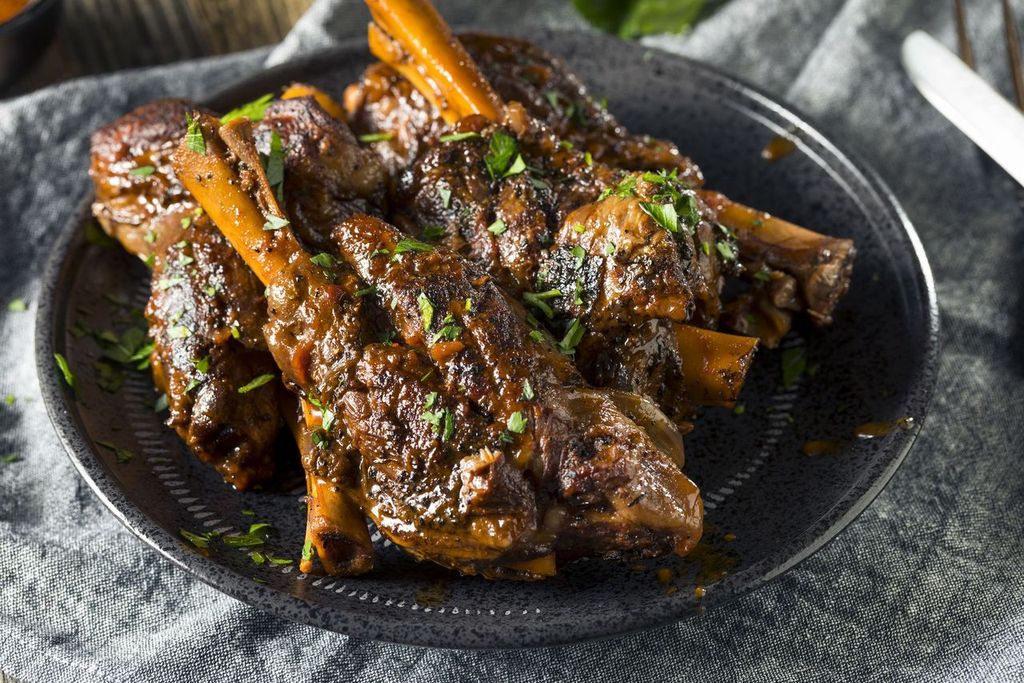
There is something deeply satisfying about cooking with lamb, a protein that feels celebratory yet adapts effortlessly to everyday meals. Across ranchlands and family tables alike, Superior Farms has long reflected how American lamb moves fluidly from quick skillet dinners to slow-roasted weekend centerpieces, proving that versatility is its greatest strength.

For many home cooks, lamb still carries a holiday reputation. It appears at Easter tables, festive gatherings, and special Sunday roasts. Yet modern kitchens are rediscovering that lamb is equally suited for weeknight efficiency, casual grilling sessions, and bold global flavor experiments. Understanding the cuts, cooking methods, and timing of lamb can transform its perception from occasional to practical.

Rethinking Lamb for the Modern Kitchen

The perception that lamb is complicated often stems from unfamiliarity rather than difficulty. In reality:

  • Many cuts of meat cook as quickly as beef or pork.
  • Ground lamb performs beautifully in burgers, meatballs, and skillet dishes.
  • Chops can be pan-seared in under ten minutes.
  • Leg of lamb can be roasted with minimal prep and reliable timing.

The American Lamb Board outlines cooking techniques and temperature guidance that simplify preparation. Knowing that medium-rare lamb reaches an internal temperature of about 145°F provides confidence. Cooking time charts and cut breakdowns help remove guesswork, making lamb approachable even for newer cooks.

What emerges is a protein that responds well to seasoning, tolerates high-heat searing, and maintains tenderness when roasted slowly. That flexibility is what allows lamb to move between quick weeknight meals and relaxed weekend entertaining.

Weeknight Wins: Quick-Cooking Cuts That Deliver Flavor

When time is limited, thinner cuts shine. Lamb loin chops, rib chops, and ground lamb require minimal prep and reward decisive heat.

A simple preparation might include:

  • Patting the chops dry and seasoning them generously with salt, pepper, garlic, and rosemary.
  • Sear in a hot cast-iron skillet for 3-4 minutes per side.
  • Allow the chops to rest briefly before serving them with either roasted vegetables or a vibrant salad.

Ground lamb offers even more flexibility. It pairs naturally with Mediterranean herbs, North African spices, or classic American burger seasonings. A dish such as Mediterranean Lamb Meatballs (recipe from AmericanLamb.com) demonstrates how quickly ground lamb can be transformed into a satisfying dinner. The richness of the meat balances well with fresh herbs and yogurt-based sauces.

The key takeaway is that lamb does not require extended marinating or complex preparation. Balanced seasoning and proper temperature control unlock its character quickly.

Grilling Season: Casual Yet Elevated

Lamb’s natural flavor intensifies beautifully over open flame. The fat renders gently, creating crisp edges while keeping the interior juicy.

Popular grilling approaches include:

  • Rib chops brushed with olive oil and fresh herbs.
  • One popular method is to thread cubed leg of lamb onto skewers.
  • The grilled butterflied leg is perfect for slicing and sharing.

Grilled Lamb Kabobs (recipe from AmericanLamb.com) offer a straightforward example of how lamb performs outdoors. The combination of char, spice, and tender texture turns a simple backyard gathering into something memorable without requiring complex technique.

Grilling also reinforces lamb’s versatility. It fits as easily beside summer corn and tomatoes as it does next to flatbreads and tzatziki. The flavor profile adapts to the surrounding ingredients rather than dominating them.

The Weekend Roast: A Centerpiece That Feels Effortless

While lamb proves its practicality during busy weekdays, it truly shines when given time and space. A roasted leg of lamb remains one of the most dramatic yet manageable centerpieces available to home cooks.

Preparation often involves:

  • Scoring the fat cap lightly.
  • Rubbing with garlic, rosemary, lemon zest, and olive oil.
  • Roasting at moderate heat until the internal temperature reaches the desired doneness.
  • Allowing adequate resting before slicing.

The American Lamb Board’s cooking time and temperature resources make this process predictable. Understanding that resting redistributes juices prevents overcooking and preserves tenderness.

A recipe such as Garlic Herb Roasted Leg of Lamb (recipe from AmericanLamb.com) illustrates how minimal ingredients can create depth of flavor. The result is both rustic and refined, equally at home at a holiday table or a relaxed Sunday dinner.

Understanding the Cuts: Choosing with Confidence

Confidence in cooking lamb grows when shoppers recognize common cuts and their ideal uses.

  • Lamb Rib Chops are tender and quick-cooking, making them ideal for grilling or pan-searing.
  • Lamb Loin Chops – Slightly meatier; excellent for skillet preparation.
  • Leg of Lamb – Versatile; roast whole, butterfly for grilling, or cube for stews.
  • Shoulder – Rich and suited for slow braising.
  • Ground Lamb – Flexible for burgers, meatballs, and pasta sauces.

The American Lamb Board’s cut guides clarify where each portion originates and how to best prepare it. That transparency removes hesitation at the butcher counter and encourages experimentation.

Nutrition: Flavor Meets Substance

Lamb delivers more than taste. Nutritional information from the American Lamb Board highlights that lamb provides:

  • High-quality protein.
  • Lamb also provides essential vitamins like B12 and niacin.
  • Lamb also contains essential minerals such as zinc and iron.

These nutrients support energy metabolism and immune health. When paired with vegetables, whole grains, and fresh herbs, lamb contributes to balanced meals rather than indulgent excess.

Portion awareness and proper cooking technique help maintain that balance. Trimming excess fat and cooking to recommended temperatures preserves both flavor and nutritional integrity.

Building Flavor Without Complexity

One reason lamb feels special is its ability to carry bold seasoning. Yet complexity is optional.

Simple flavor strategies include:

  • Garlic, rosemary, thyme, and lemon for a classic profile.
  • Cumin, coriander, and paprika for warmth.
  • Add mint, parsley, and yogurt to add brightness.
  • Adding chili flakes and smoked paprika adds depth to the dish.

Because lamb has a distinct but balanced taste, it responds well to both minimal and layered seasoning approaches. The meat’s natural character remains present while harmonizing with added ingredients.

From Everyday to Occasion

The enduring appeal of lamb lies in its dual identity. It is practical enough for Tuesday night and impressive enough for Saturday dinner guests. Few proteins transition so easily between these roles.

When weeknight meals demand speed, lamb chops or ground preparations provide efficiency without sacrificing satisfaction. When gatherings call for spectacle, a roasted leg or grilled platter delivers visual and culinary impact.

This range reflects a broader shift in how American kitchens approach cooking. Ingredients once reserved for special occasions now appear more frequently as cooks gain access to better information, clearer cooking guidance, and reliable sourcing.

Bringing It All Together

Lamb no longer belongs solely to tradition-bound holidays. With accessible resources detailing cuts, cooking techniques, and nutritional benefits, it fits naturally into contemporary routines.

Its adaptability can be summarized simply:

  • Its speed is suitable for hectic evenings.
  • Its boldness makes it suitable for grilling season.
  • Lamb is also elegant enough to grace celebratory tables.
  • Lamb is sufficiently nutritious to ensure a balanced meal plan.

Whether seared in a skillet, grilled over flame, or roasted slowly in the oven, lamb continues to demonstrate that versatility is not just about variety of cuts but about the flexibility of experience. From weeknight to weekend feast, it remains one of the most rewarding proteins in the modern kitchen.
Categories
Superior Farms

Bringing Global Flavor Home: How Lamb Connects Culinary Traditions Across Cultures

Across continents and centuries, lamb has anchored some of the world’s most enduring food traditions. From Mediterranean coastlines to Middle Eastern kitchens and American ranch tables, Superior Farms reflects how lamb continues to move seamlessly across culinary borders, adapting to local spices, cooking methods, and shared rituals around the table.

What makes lamb so globally resonant is not just its flavor but its adaptability. It absorbs herbs and spices with ease, responds well to both high heat and slow braising, and pairs naturally with grains, vegetables, and sauces from diverse cuisines. The result is a protein that feels both deeply traditional and continuously evolving.

Mediterranean Simplicity: Olive Oil, Herbs, and Fire

In Mediterranean cooking, lamb is often treated with restraint. Rather than masking its flavor, cooks highlight it with olive oil, garlic, rosemary, oregano, and citrus. The preparation tends to emphasize balance and freshness.

Common Mediterranean approaches include:

  • One common Mediterranean approach involves grilling lamb chops with lemon and herbs.
  • One common Mediterranean approach involves roasting a leg of lamb with garlic and rosemary.
  • You can also form ground lamb into meatballs and pair them with yogurt sauces.

A dish such as Mediterranean Lamb Meatballs (recipe from AmericanLamb.com) demonstrates how lamb integrates with parsley, garlic, and warm spices while remaining tender and aromatic. The richness of the meat balances beautifully with cool yogurt or tomato-based sauces.

Cooking techniques recommended by the American Lamb Board emphasize internal temperature awareness and resting time, ensuring that Mediterranean-inspired dishes maintain juiciness without overcooking. Moderate heat and simple seasoning allow lamb’s natural character to lead.

Middle Eastern Depth: Spice and Slow Heat

Move eastward, and lamb takes on deeper spice profiles. Cumin, coriander, cinnamon, allspice, and sumac often enter the picture. The preparation may shift toward skewers, braises, or layered rice dishes.

Signature characteristics of Middle Eastern-style lamb include:

  • Skewered and grilled kabobs.
  • The shoulder is slow-braised with aromatic spices.
  • Lamb and herbs are layered in rice dishes.

Grilled Lamb Kabobs (recipe from AmericanLamb.com) illustrate how marinated cubes of lamb caramelize over flame, developing char while remaining succulent inside. The combination of smoke and spice demonstrates how lamb thrives under high heat without losing tenderness.

In slower preparations, shoulder cuts shine. The connective tissue breaks down gradually, yielding a texture that is soft and deeply flavored. Patience transforms tougher cuts into richly satisfying meals.

North African Influence: Warmth and Complexity

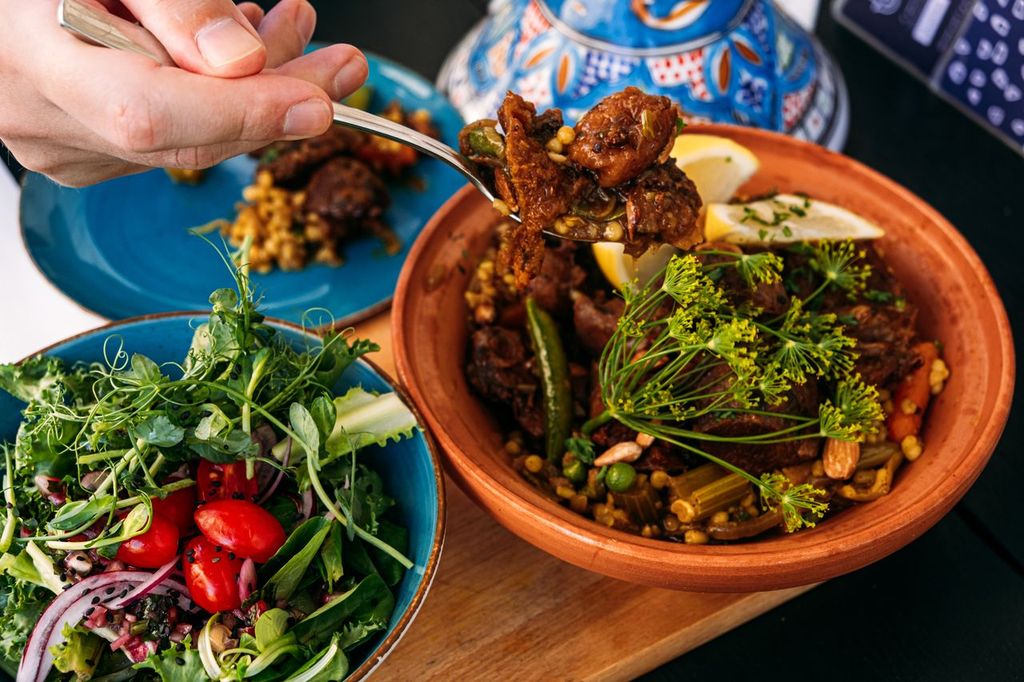
In North African cuisines, lamb frequently appears in tagines and stews. These preparations often combine sweet and savory notes, dried fruit, cinnamon, ginger, and saffron, layered with tomatoes and herbs.

The structure of these dishes typically involves:

  • These dishes typically involve browning lamb pieces to enhance their depth.
  • These dishes typically involve the addition of aromatic spices and a slow simmering process.
  • Achieving a balance between richness and acidity or subtle sweetness is crucial.

The guidance from the American Lamb Board on cooking time and internal temperature becomes especially helpful in these contexts. Controlled heat prevents dryness while allowing spices to infuse the meat gradually.

This method demonstrates lamb’s capacity to withstand intense seasoning without becoming overpowering.


American Ranch Tradition: Straightforward and Hearty

Closer to home, American ranch cooking embraces lamb in ways that are both rustic and refined. Grilling, roasting, and pan-searing dominate preparation styles, often paired with seasonal vegetables and simple sides.

Typical American-style preparations include:

  • Herb-crusted rack of lamb.
  • Butterflied leg grilled over open flame.
  • The dish also includes lamb burgers topped with fresh ingredients.

A recipe such as Garlic Herb Roasted Leg of Lamb (recipe from AmericanLamb.com) captures this spirit. Garlic, rosemary, olive oil, and salt create a classic flavor profile that feels familiar yet elevated. The leg roast remains one of the most visually striking centerpieces for gatherings.

Because lamb provides high-quality protein along with essential nutrients like zinc and vitamin B12, it supports balanced meal planning while delivering bold taste.

Understanding Cuts Across Cuisines

Different global traditions often favor specific cuts. Knowing which cut aligns with a cooking method simplifies decision-making.

  • Rib Chops: Ideal for Mediterranean grilling.
  • Loin Chops: Excellent for quick skillet cooking.
  • Shoulder: Perfect for braising in Middle Eastern or North African dishes.
  • Leg: Versatile for roasting, grilling, or cubing for skewers.
  • Ground Lamb: Ground lamb is versatile and can be used for various dishes such as meatballs, burgers, or stuffed vegetables.

The American Lamb Board’s cut guides provide clarity on where each portion originates and how it performs under different cooking techniques. That transparency encourages home cooks to experiment beyond familiar preparations.

Flavor Pairings That Travel Well

Lamb’s flavor sits comfortably between robust and delicate. That balance makes it receptive to global ingredients.

Across cultures, it pairs well with:

  • Fresh herbs such as mint, parsley, and cilantro.
  • Citrus zest and juice.
  • Yogurt-based sauces for cooling contrast.
  • Warm spices including cumin, paprika, and coriander.
  • Slow-cooked tomatoes and garlic.

These combinations allow lamb to feel at home in a Greek-inspired spread, a Moroccan-style stew, or an American backyard barbecue.

Technique as the Unifying Thread

Despite cultural differences, the core principles of cooking lamb remain consistent:

  • Proper seasoning before heat application.
  • It is crucial to monitor the internal temperature to ensure the lamb is cooked to the ideal doneness.
  • Allowing sufficient resting time.
  • It is crucial to match the cut to the cooking method.

The resources from the American Lamb Board on cooking techniques and time-temperature charts unify these traditions by providing reliable structure. Whether grilling kabobs or roasting a leg, the science behind the process remains the same.

Understanding those fundamentals gives cooks the freedom to explore global flavors without fear of overcooking or under-seasoning.

The Shared Table

Lamb often appears at communal meals. It is carved and shared, passed around, or served family-style. That social dimension may explain its enduring global presence.

Across cultures, lamb dishes tend to:

  • Anchor holiday meals.
  • Feature in celebratory gatherings.
  • Encourage slow, shared dining experiences.

Even in casual settings, a platter of grilled chops or skewers creates a sense of occasion. The aroma alone signals that something special is unfolding.

Bringing Global Inspiration Home

Exploring lamb through a global lens does not require extensive culinary training. Small shifts in seasoning or presentation can evoke distant cuisines:

  • Add oregano and lemon for Mediterranean brightness.
  • Introduce cumin and coriander for Middle Eastern warmth.
  • Incorporate dried fruit and cinnamon for North African depth.
  • Keep garlic and rosemary for American classic simplicity.

These variations transform a single ingredient into countless expressions of flavor.

Lamb’s capacity to absorb, adapt, and respond to diverse techniques explains why it remains so central in cuisines worldwide. It does not demand rigid adherence to one tradition. Instead, it invites experimentation while rewarding proper preparation.

A Global Ingredient in a Local Kitchen

Ultimately, lamb’s global reach reflects its versatility. It thrives over an open flame, under slow braise, and inside a roasting oven. It complements grains, vegetables, flatbreads, and salads alike.

When guided by reliable cooking principles and inspired by international flavors, lamb becomes more than a single dish. It becomes a culinary bridge connecting traditions, techniques, and tables across cultures.

From Mediterranean herb gardens to spice markets and American ranchlands, lamb continues to demonstrate that outstanding ingredients transcend borders. With thoughtful preparation and creative seasoning, global flavor can begin in any kitchen.