Categories
Superior Farms

From Weeknight Meals to Weekend Feasts: The Versatility of Cooking with Lamb

When it comes to creating meals that feel both comforting and elevated, Superior Farms highlights how lamb fits seamlessly into everything from quick weeknight dinners to slow, flavorful weekend gatherings.

Lamb often carries a reputation as a “special occasion” protein, but that perception overlooks just how versatile it truly is. With the right approach, lamb can be just as approachable as everyday staples while offering deeper flavor, variety, and flexibility across cuisines.

From quick skillet meals to slow-roasted dishes, lamb adapts to different cooking styles without losing its distinct character.

A Protein That Works Across Cooking Styles

One of the biggest advantages of cooking with lamb is how easily it transitions between different preparation methods.

Depending on the cut and time available, lamb can be

  • Quickly seared for a fast, satisfying meal
  • Grilled for a smoky, charred finish
  • Roasted low and slow for a tender, rich flavor
  • Braised for depth and comfort

This range makes it suitable for both busy schedules and more relaxed cooking experiences.

It’s not about complexity; it’s about flexibility.

Weeknight Simplicity Without Compromise

For everyday cooking, speed and simplicity matter. Lamb delivers both without sacrificing taste.

Quick options include:

  • Ground lamb for burgers, wraps, or bowls
  • Thin cuts that cook quickly in a pan
  • Simple seasoning paired with fresh herbs

Dishes like Mediterranean Lamb Grain Bowls (recipe from americanlamb.com) offer a balance of flavor and efficiency, combining protein, grains, and vegetables into a complete meal.

Another approachable option is Lamb Tacos with Fresh Salsa (recipe from americanlamb.com), which brings bold flavor into a format that’s simple to prepare and share.

These types of meals show that lamb doesn’t require hours in the kitchen to stand out.

Weekend Cooking That Feels Elevated

When time allows, lamb becomes the centerpiece of more immersive cooking experiences.

Slow-cooked and roasted dishes bring out deeper flavors and create a sense of occasion.

Popular options include:

  • Roasted leg of lamb with herbs and garlic
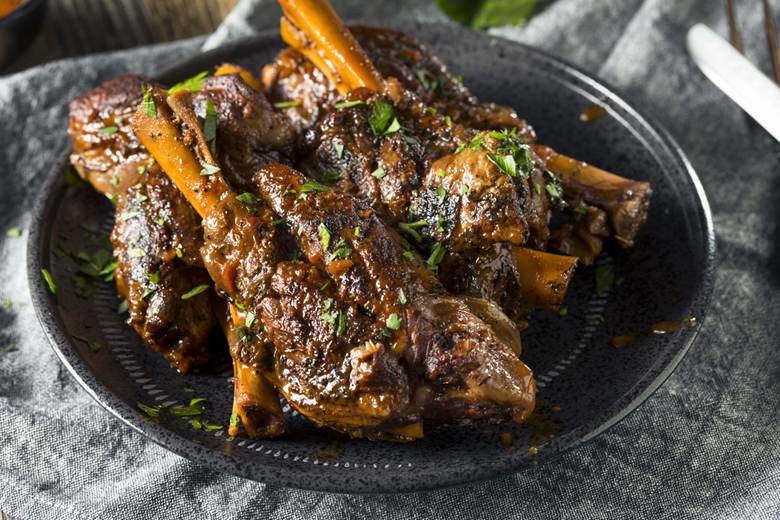
  • Braised lamb shanks with rich sauces
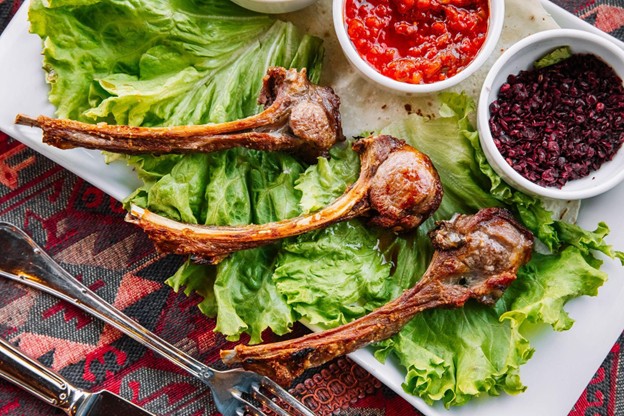
  • Grilled racks of lamb for a refined presentation

A dish like Herb-Crusted Rack of Lamb (recipe from americanlamb.com) transforms a meal into something memorable without requiring overly complex techniques.

These meals are not just about eating; they’re about the experience of cooking and sharing.

Exploring Global Flavors

Lamb’s versatility extends across cuisines, making it a natural fit for global-inspired dishes.

It pairs well with:

  • Mediterranean herbs and olive oil
  • Middle Eastern spices like cumin and coriander
  • Indian-style curries and slow-cooked sauces
  • Fresh, vibrant flavors from Latin-inspired dishes

This adaptability allows for variety without needing to entirely change cooking habits.

A single ingredient can support a wide range of flavor profiles.

Understanding Cuts Makes All the Difference

Part of cooking lamb confidently comes from understanding how different cuts behave.

Some commonly used cuts include:

  • Lamb chops – ideal for grilling or pan-searing
  • Ground lamb – versatile for quick meals
  • Leg of lamb – perfect for roasting
  • Shoulder cuts – best suited for slow cooking

Each cut brings a different texture and cooking approach, which helps expand meal options without adding complexity.

Learning these basics makes it easier to plan meals around both time and preference.

Flavor That Doesn’t Need Overcomplication

Lamb’s natural richness means it doesn’t require heavy seasoning or complicated preparation.

Simple combinations often work best:

  • Garlic, rosemary, and olive oil
  • Lemon and fresh herbs
  • Salt, pepper, and a hot pan

These elements enhance the flavor without overpowering it.

The result is a dish that feels both refined and approachable.

A Balance Between Everyday and Occasional

One of the most overlooked aspects of lamb is its ability to exist comfortably between casual and elevated dining.

It can be:

  • A quick, satisfying weeknight meal
  • A centerpiece for gatherings
  • A way to explore new cuisines
  • A reliable option for consistent flavor

This balance makes it a practical addition to any kitchen.

Bringing Variety Back Into Cooking

Cooking routines can become repetitive over time. Incorporating lamb introduces variety without requiring a complete shift in habits.

It offers:

  • New textures and flavors
  • Flexible preparation methods
  • Opportunities to experiment with global cuisines
  • A way to elevate simple meals

Even small changes in ingredients can transform how meals feel.

Making Lamb Part of the Routine

Lamb doesn’t need to be reserved for special occasions. With the right approach, it fits naturally into regular meal planning.

Start with:

  • Simple recipes and familiar formats
  • Quick cooking methods for busy days
  • Gradually exploring different cuts and styles

Over time, it becomes just as accessible as other everyday proteins.

A More Flexible Approach to Cooking

The versatility of lamb lies in its ability to adapt to whether the goal is speed, flavor, or presentation.

It supports:

  • Quick meals without sacrificing taste
  • Slow cooking for deeper flavor
  • A wide range of cuisines and techniques
  • Both casual and elevated dining experiences

This flexibility makes it a valuable ingredient for any kitchen.

From weeknight dinners to weekend gatherings, lamb offers a way to bring both variety and depth to everyday cooking without complicating the process.
Categories
Superior Farms

Cooking Lamb at Home: Simple Techniques That Bring Out Bold Flavor

Cooking with lamb from Superior Farms becomes far more approachable when a few core techniques are understood, allowing rich flavor and texture to come through without unnecessary complexity.

For many home cooks, lamb can feel unfamiliar compared to more commonly used proteins. But in reality, it responds well to simple, consistent methods. With the right approach, lamb can deliver restaurant-quality results in a home kitchen without requiring advanced skills or specialized tools.

The key lies in understanding how to handle heat, timing, and seasoning.

Start with the Right Cooking Method

Different cuts of lamb respond best to specific cooking techniques. Choosing the right method simplifies the entire process.

Common approaches include:

  • Grilling: Ideal for chops and smaller cuts, adding a smoky, charred flavor
  • Pan-searing: Quick and effective for achieving a crisp exterior
  • Roasting: Best for larger cuts like leg of lamb
  • Braising: Perfect for tougher cuts that benefit from slow cooking

Each method highlights a different aspect of lamb’s flavor and texture.

Understanding this connection makes cooking more predictable and consistent.

Temperature and Timing Matter

One of the most important elements of cooking lamb is controlling temperature.

Lamb is best when cooked to the right level of doneness:

  • Medium-rare to medium often provides the best balance of tenderness and flavor
  • Overcooking can lead to a firmer texture and reduced juiciness
  • Resting the meat after cooking helps retain moisture

For detailed guidance, resources like the Lamb Cooking Time & Temperature Guide (recipe from americanlamb.com) provide reliable benchmarks for achieving consistent results.

Precision does not require perfection; it requires awareness.

Building Flavor with Simple Ingredients

Lamb has a naturally rich flavor, which means it pairs well with simple, complementary ingredients.

Effective flavor combinations include:

  • Garlic and rosemary for a classic profile
  • Lemon and olive oil for brightness
  • Cumin and coriander for a deeper, spiced approach
  • Fresh herbs to balance richness

These ingredients enhance rather than mask the natural taste.

Keeping seasoning straightforward often leads to better results.

Mastering the Sear

A proper sear creates texture and locks in flavor.

To achieve a good sear:

  • Start with a hot pan or grill
  • Avoid overcrowding the cooking surface
  • Let the meat cook undisturbed for a few minutes
  • Turn only when a crust has formed

This technique adds depth and contrast to the final dish.

It’s one of the simplest ways to elevate a meal.

Letting the Meat Rest

Resting is often overlooked, but it plays a critical role in the final result.

After cooking:

  • Allow lamb to rest for several minutes
  • This helps redistribute juices throughout the meat
  • Cutting too early can lead to dryness

This small step significantly improves texture and flavor.

Avoiding Common Mistakes

Cooking lamb becomes easier when common pitfalls are avoided.

These include:

  • Overcooking due to uncertainty about doneness
  • Using too much seasoning that overpowers the meat
  • Skipping the resting step
  • Choosing the wrong cut for the cooking method

Awareness of these mistakes leads to more consistent outcomes.

Simple Recipes That Build Confidence

Starting with straightforward recipes can help build familiarity and confidence.

Examples include:

  • Garlic and Herb Lamb Chops (recipe from americanlamb.com) for quick, flavorful meals
  • Slow-Roasted Leg of Lamb (recipe from americanlamb.com) for a more traditional approach

These recipes focus on technique rather than complexity, making them accessible for a wide range of skill levels.

They also highlight how small adjustments can change the final result.

Understanding Cuts for Better Results

Each cut of lamb offers a different cooking experience.

Knowing how to use them makes meal planning easier:

  • Chops: Quick cooking, ideal for grilling or searing
  • Ground lamb: Flexible and fast for everyday meals
  • Leg: Best for roasting and serving larger groups
  • Shoulder: Suited for slow cooking and braising

Matching the cut to the cooking method ensures better texture and flavor.

Bringing Confidence Into the Kitchen

Confidence in cooking does not come from complexity; it comes from repetition and understanding.

With lamb, this means:

  • Practicing simple techniques consistently
  • Learning how different cuts respond to heat
  • Adjusting seasoning and timing based on results
  • Building familiarity over time

The process becomes more intuitive with experience.

A Practical Approach to Cooking Lamb

Lamb does not require complicated preparation to deliver strong results.

A practical approach includes:

  • Choosing the right cut
  • Using the appropriate cooking method
  • Controlling temperature and timing
  • Keeping seasoning balanced

These fundamentals create a reliable foundation.

Making Lamb More Accessible

Understanding the basics makes lamb an accessible and versatile option for home cooking.

It offers:

  • Rich, distinctive flavor
  • Flexibility across different cooking styles
  • Compatibility with a wide range of ingredients
  • The ability to elevate both simple and complex meals

What initially feels unfamiliar quickly becomes manageable.

Turning Technique Into Habit

The goal is not just to cook lamb once, it is to make it part of a regular cooking routine.

By focusing on simple techniques and consistent execution, home cooks can:

  • Build confidence over time
  • Expand their range of meals
  • Create dishes that feel both satisfying and refined

Cooking lamb becomes less about following instructions and more about understanding the process.

And once that shift happens, bold flavor becomes easy to achieve every time.